Learning Meaningful Public Engagement
This post is written by current student Desiree DeDolce.
Desiree DeDolce is from Winston-Salem, NC. She earned her undergraduate degree in Sociology from UNC Greensboro and has a passion for housing justice, with a particular interest in resident-centered, community-based housing models for low-income families. This summer, she is completing her Professional Work Experience with the Town of Chapel Hill Manager’s Office.
———————————————————————————————————-
This summer, I am completing my Professional Work Experience in the Town of Chapel Hill’s Manager’s Office. Because the office works across departments and helps coordinate organization-wide priorities, the internship has given me a broad view of how local government works and how ideas and values are operationalized in day-to-day practice.
One area of MPA coursework that has shown up clearly in my internship is public engagement. In class, we have talked about engagement as more than simply holding a public meeting or asking residents for feedback. We have discussed the importance of timing, trust, accessibility, facilitation, and being honest about what parts of a decision are open for input. My internship has not necessarily changed how I think about those ideas, but it has helped me understand what they look like in practice.
One observation I have made is that meaningful engagement requires significant work before the public process even begins. Staff must understand the legal, financial, technical, and operational constraints surrounding a project or initiative before they can design the engagement process. This kind of preparation helps make engagement more transparent. Residents are better able to participate when they understand what decisions are still being made, what limits already exist, and how their feedback will be used.
Public engagement is often framed as a value, and I do believe it is one. But in practice, engagement is also a design challenge. When thinking about how to frame this engagement, the Chapel Hill communications team uses the IAP2 Spectrum of Public Participation. The spectrum helps clarify the public’s role in decision-making and the level of influence residents can reasonably have, ranging from providing information to delegating decision-making authority. That framework matters because not every project calls for the same level of public involvement. Sometimes the goal is to inform or consult residents; other times, there may be more room for residents to help shape options directly. Staff have to decide where a project falls on that spectrum, when to engage, who needs to be included, what information people need to participate meaningfully, and how feedback will be carried forward. If the process is too broad, it can create expectations that the organization cannot meet. If it is too narrow, residents may feel like they are being asked to respond to a decision that has already been made.
Watching Town staff apply this framework in actual project conversations shows the connection between theory and implementation. The theory gives a set of principles: engagement should be meaningful, accessible, timely, and connected to decision-making. Practice shows how much care it takes to apply those principles when staff are also working within budgets, timelines, state law, Council direction, staff capacity, and previous decisions.
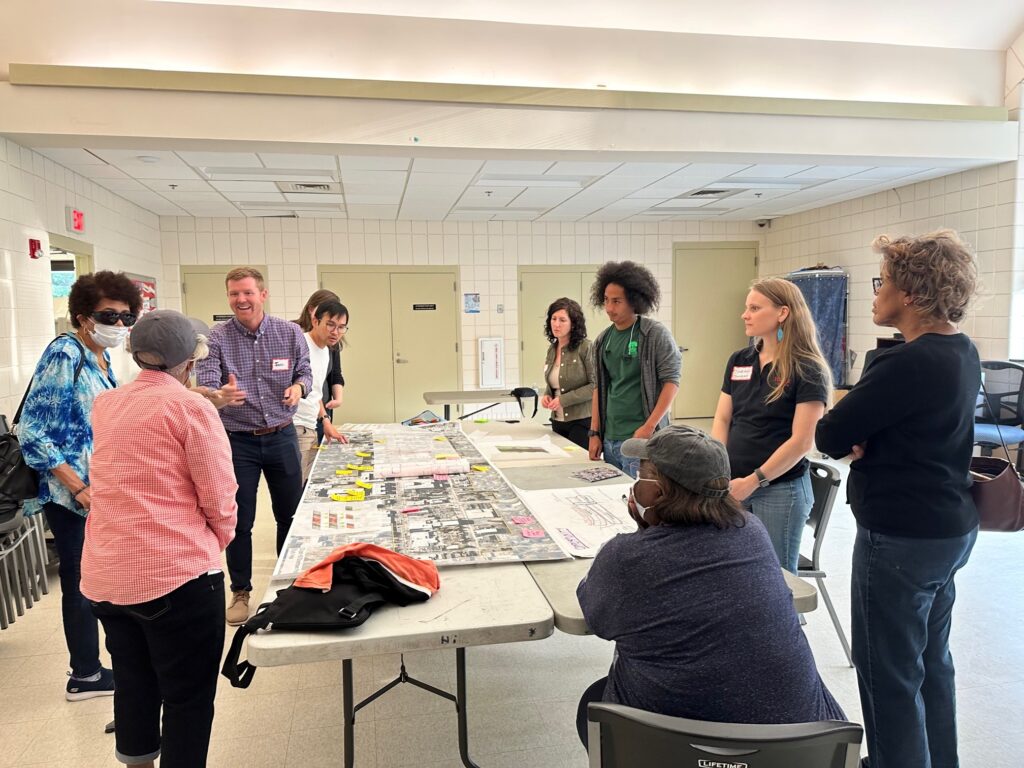
What I found most useful was observing how staff communicate those boundaries. Rather than presenting engagement as an open-ended conversation about every aspect of a project, they work to explain what is still being decided and where public input could have the greatest impact. Transparency is not just about sharing information, but about helping residents understand how their participation connects to the decision-making process.
It is clear that public engagement is not a single step in policy design and implementation, but an ongoing administrative practice. It requires planning, communication, facilitation, and follow-through. My internship has shown me what this can look like in the day-to-day work of local government and helped me appreciate the care that goes into designing engagement that is both honest and useful.