Applying Learning to Practice: Change Management
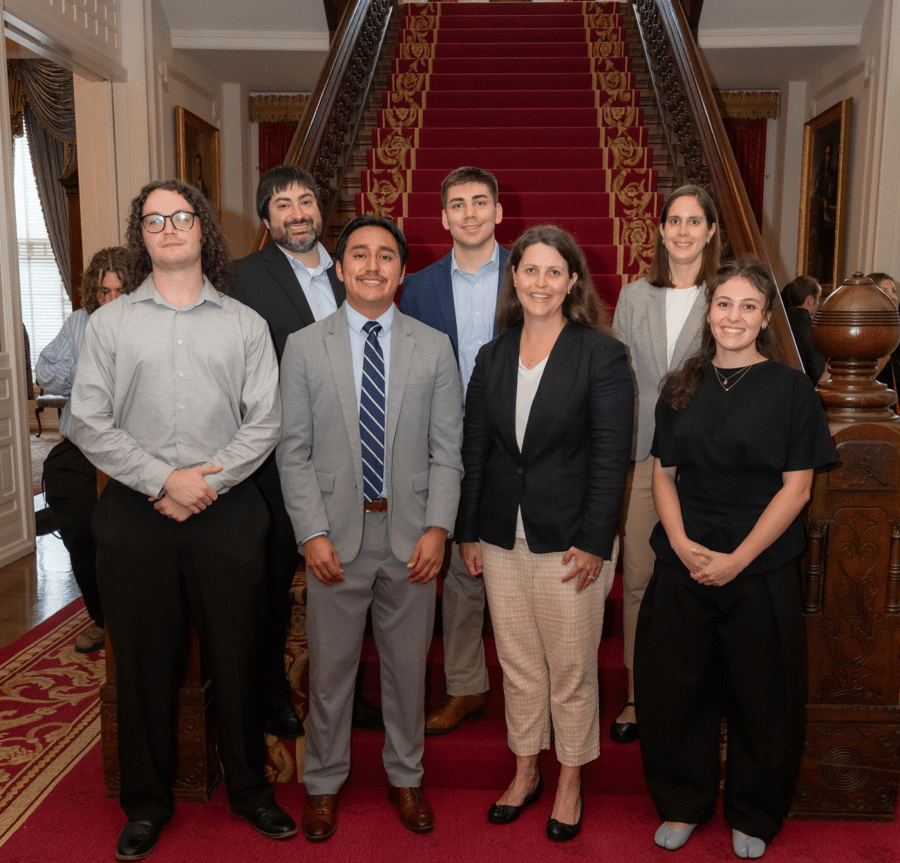
This post is written by current student Josh Davis.
Josh Davis is a current on-campus student in the UNC MPA program. From a military family, he lived mainly in Virginia before earning a bachelor’s degree in political science from Baylor University. Josh is currently completing his Professional Work Experience with the North Carolina Office of State Budget and Management, where he supports the State Budget System Replacement Project and budget development initiatives.
———————————————————————————————————
During my PWE at the North Carolina Office of State Budget and Management (OSBM), I observed many instances of how theory works in practice. Through my involvement with the Budget System Replacement (BRIDGE) Project, I had the opportunity to contribute to an initiative centered around change management. In our Organizational Theory course, we explored what it takes to lead change successfully. Much of what John Kotter describes in his eight-stage model for leading organizational change is currently being implemented at OSBM as state budget professionals prepare to transition from the old Integrated Budget Information System (IBIS) to the new BRIDGE system, powered by Oracle Enterprise Performance Management (EPM).
Since the project is still in its early stages, I was able to observe many of Kotter’s first four steps: creating a sense of urgency, building a guiding coalition, developing a vision and strategy, and communicating that vision. Many state budget professionals recognized that the existing IBIS system lacked reliability and frequently crashed. Given the capabilities of modern technology, this prompted a need for change. OSBM assembled a coalition of leaders with expertise in budgeting, technology, and project management to guide the implementation. One aspect of the project that I found particularly interesting was how customizable the new Oracle EPM platform was and how state budget professionals from agencies helped shape the system by identifying the features that would best support their work.
As an intern helping with communications on this project, I gained a deeper perspective on the role communication has in making change easier to process. We set out to communicate why the BRIDGE project was necessary, what state budget professionals could expect throughout implementation, and key information related to training and project milestones. OSBM also prioritized information sharing by providing regular biweekly project updates and creating opportunities for feedback by sending out surveys to IBIS users. These communications were designed not only to inform state budget professionals but also to reassure them that resources, training, and support would be available throughout the transition.
In our Organizational Theory course, Dr. Jacobson emphasized the human side of change management. One of my biggest takeaways from her lectures and the readings was that when people are affected by large-scale change, they are constantly evaluating whether the change was worth making or whether they should return to the old way of doing things. What I learned at OSBM is that organizational change can either lead to anxiety or excitement. Without clear and purposeful communication, uncertainty can outweigh enthusiasm, allowing concerns about how change will affect short-term productivity to overshadow the long-term benefits of change.
Overall, my PWE gave me a great opportunity to see firsthand how the theory we have learned in our program can be applied to address complex challenges facing public organizations. Leading change is no simple task, especially for an organization like OSBM that collaborates with numerous state agencies, universities, and other partners. However, the project team consistently shared with budget professionals why the change was necessary, communicated the vision for the new system, and sought feedback from budget professionals who will be using the new system. This experience reinforced that successful organizational change depends on effective leadership, strategic communication, and a well-planned implementation process.