Applying Learning to Practice: Wicked Problems and Accessibility in Parks and Recreation
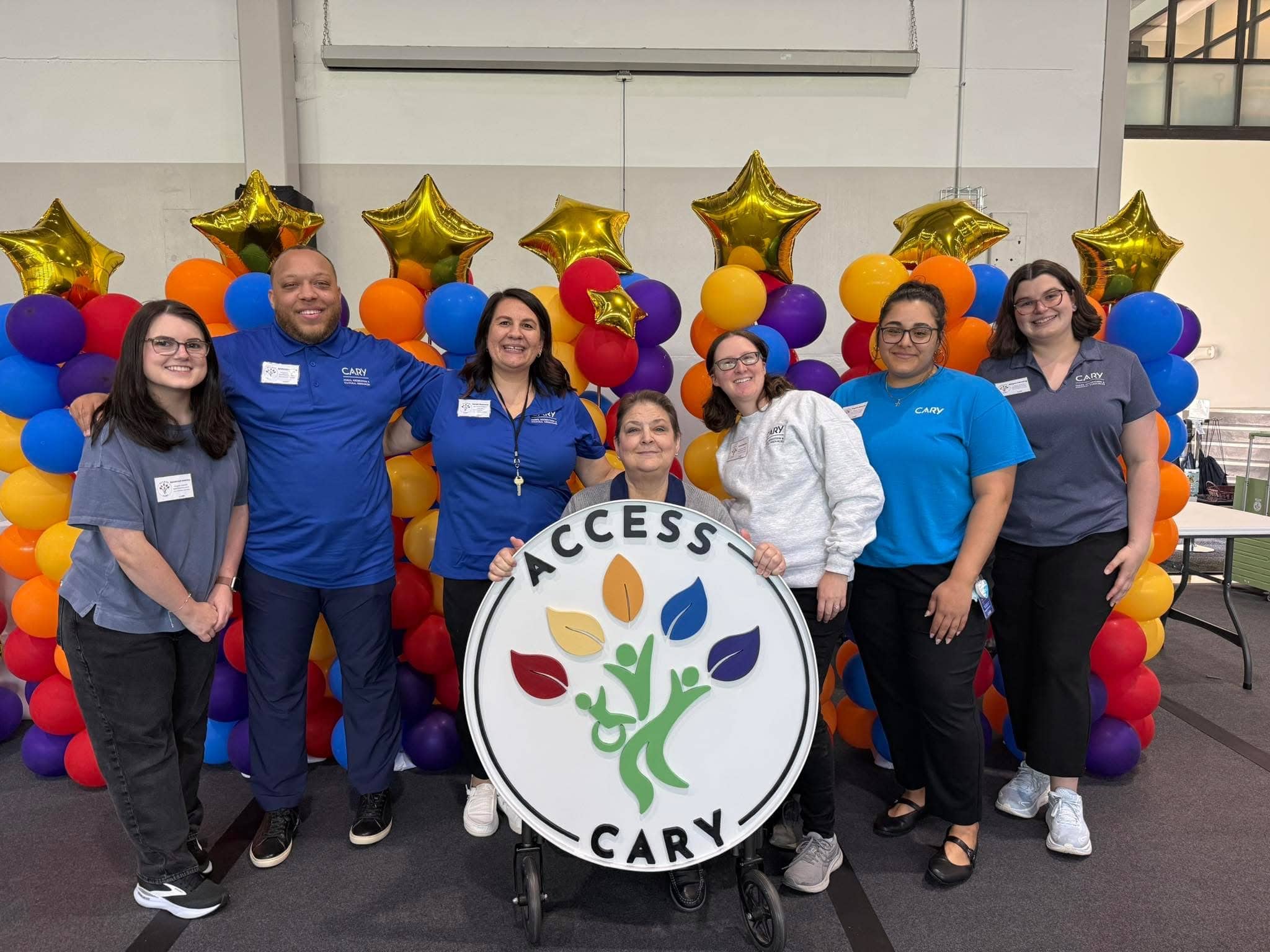
This post is written by current student Megan Lanning.
Megan Lanning is a current student in the on-campus format and is also working towards a graduate certificate in Intellectual and Developmental Disabilities (I/DD) and Neurodivergent Studies from the School of Social Work. She is originally from Cary, North Carolina and completed her undergraduate degree in Child Development from Meredith College. She is interested in working in local government and nonprofits, focusing on work of creating more inclusive and accessible communities. She currently works for the Town of Cary and is doing her Professional Work Experience with ACCESS Cary.
———————————————————————————————————
One concept from the UNC MPA program that has directly influenced my Professional Work Experience (PWE) is the idea of “wicked problems.” In public administration, wicked problems are complex issues involving multiple stakeholders and lacking a single clear solution. Although this concept was initially introduced in the classroom, I quickly realized its relevance to my work with ACCESS Cary within the Town of Cary’s Parks, Recreation, and Cultural Resources Department.
My PWE centers on accessibility and inclusion initiatives throughout the department. This summer, I am completing the National Inclusion Project Inclusive Recreation Specialist Course and helping conduct research and collect data as the department explores accreditation through the National Inclusion Project. I am also working with the Town’s ADA Coordinator to conduct accessibility audits of more than 30 parks across Cary.
At first glance, accessibility may seem like a straightforward issue: identify barriers and remove them. However, my experience has shown that creating truly inclusive spaces is a wicked problem. In my work, accessibility is complex: every park is different, community members have diverse needs, budgets and staffing are limited, and decisions must balance accessibility with other operational priorities. There is rarely a solution that fully satisfies every stakeholder.
The framework of wicked problems helped me approach these projects with a broader perspective. Rather than looking for a single “right” answer, I learned to consider how different groups experience public spaces and how policies, physical infrastructure, programming, and organizational culture intersect. During park audits, for example, accessibility involves much more than checking compliance requirements; it requires considering how people with different disabilities navigate, participate in, and enjoy recreational opportunities.
What surprised me most was how closely theory is connected to practice. The classroom provided a lens for understanding complexity, while my work experience has shown me what that complexity looks like in action. Practice also revealed challenges that are harder to capture in class lectures, such as competing priorities, limited resources, and the need to build consensus among stakeholders.
This experience has reinforced that public administration is not about finding perfect solutions. Instead, it is about continuously improving systems, engaging stakeholders, and making informed decisions in complex environments. By applying the concept of wicked problems to accessibility and inclusion work, I have gained a deeper appreciation for both the challenges and opportunities involved in creating welcoming, accessible communities for all.
https://www.carync.gov/recreation-enjoyment/special-populations/specialized-recreation