Collaboration: Summer with the Macon County Solid Waste Department
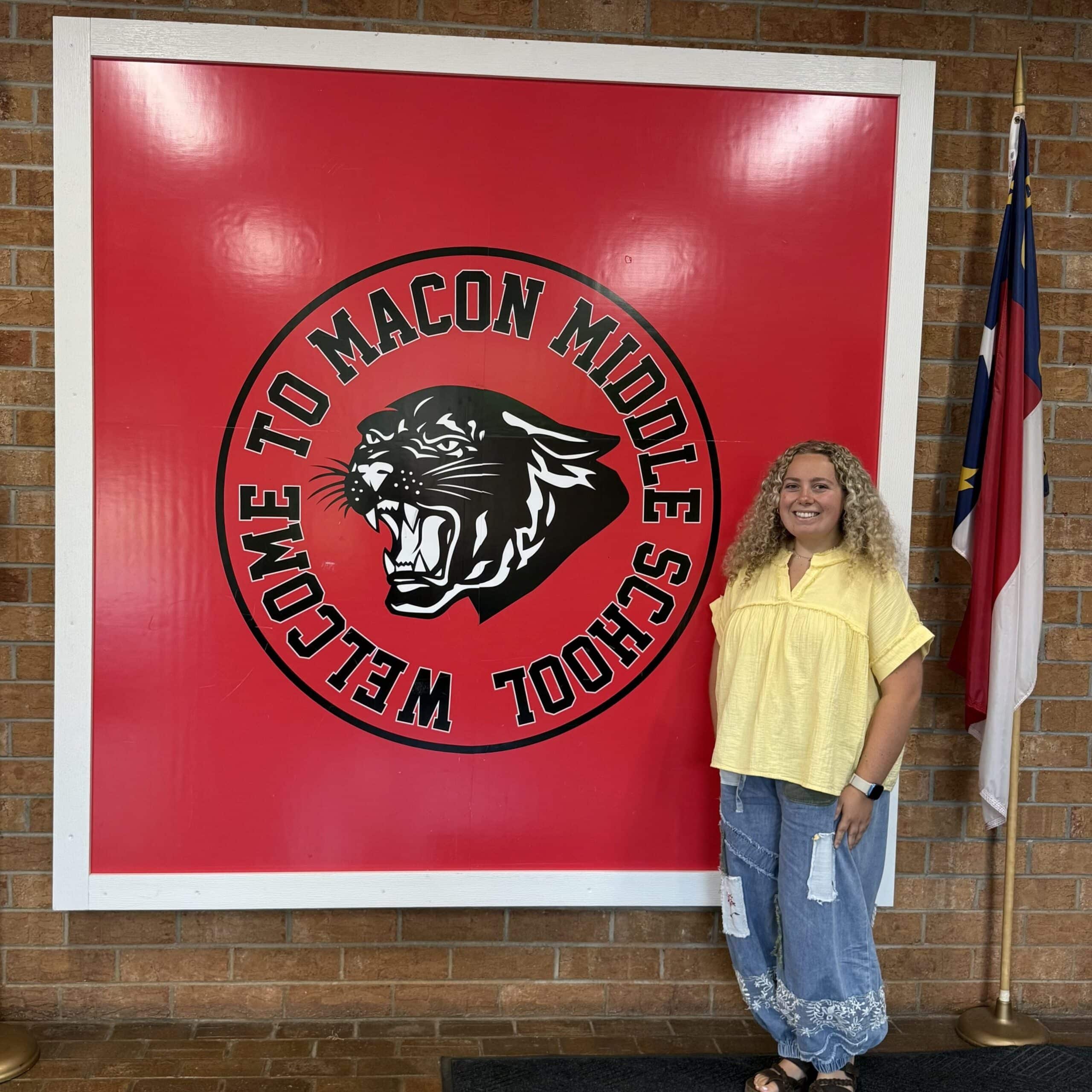
This post is written by current student Callie Barnett.
Callie Barnett is a student in the online format and lives in her hometown of Franklin, NC. She completed her undergraduate degree in Political Science with a concentration in public management from Appalachian State University. Originally interning with the Macon County Government as an undergraduate student in the fall of 2024, she is now completing her professional work experience with the Macon County Solid Waste Department.
———————————————————————————————————-
This summer, I am serving as a special projects intern within the Macon County Solid Waste Department as part of my Professional Work Experience (PWE) in the UNC MPA program. Coming into this role, I had little to no experience with solid waste, but over the past month have learned a lot about how and where different waste streams come from. Trash is important for the Solid Waste Department as it is a money maker; however, too much trash overwhelms the landfill’s service capabilities.
One of Macon County’s largest quantifiable and traceable waste streams comes from the public school system. My first assigned project in this role was to bridge the gap between the solid waste department and the school system and to reinstate a school system-wide recycling program. Thanks to some of my connections within Macon Middle School, where I have worked as a long-term substitute teacher, I was able to learn that the STEM program had received a grant to restart the school’s recycling program. Upon learning this, I immediately set up a meeting and began collaborating with the STEM teacher.
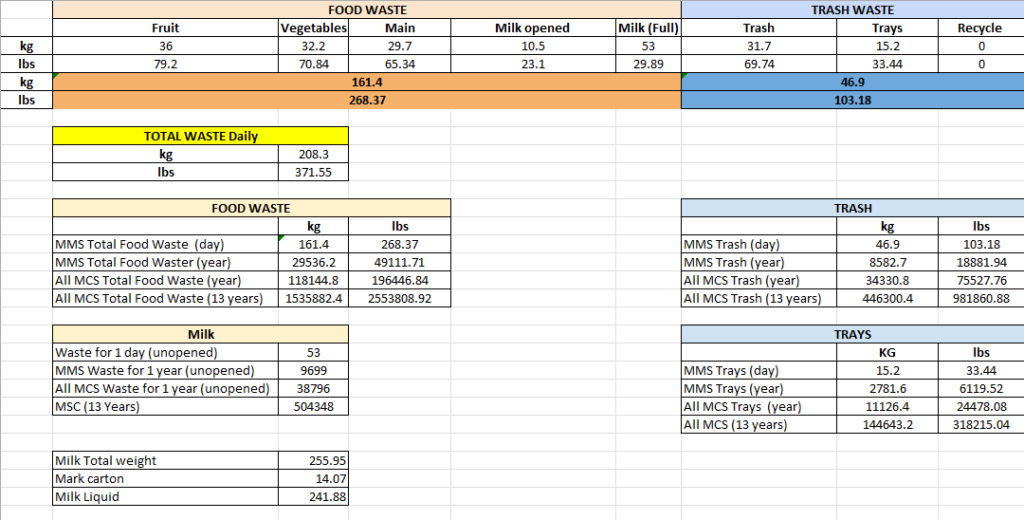
Meeting with the STEM teacher provided a lot of insight into what had already been done regarding waste monitoring and measurement, as his class had already completed a waste audit that provided crucial insight into what exactly was being discarded and ending up in our landfill. I am extremely thankful that I was able to learn about the prework that had already occurred and the existing data that can be used to support any next-step initiatives for the program. The data was also able to help move the project along, since it gave the Solid Waste Department insight into what could be done to divert specific streams, such as compostable food waste and cardboard.
Collaborating with someone already inside the school system also allowed me to understand how internal processes work. As someone from an outside organization who wanted to come in and change something about a separate entity, it is important for me to acknowledge why some processes are the way that they are. Specifically, I questioned why the school continued using styrofoam trays instead of using the reusable trays that they had used before the pandemic. I found that the single-use trays were easier as they did not have to be washed, meaning that the kitchen could have more man-power in other areas. Examples like these show how important communications between collaborating organizations are to fill in knowledge and information gaps.
One of the biggest struggles with this program is the time period in which we are working, as well as how many different stakeholders are involved. Since this is a summer internship, I am developing a program that cannot launch until fall, as students are home for the year. The weight of the project and program implementation lies within the individual schools and has to be a grassroots movement. Students, teachers, and administrators have to be as invested as the Solid Waste Department in order to reduce waste in the long run. Therefore, collaboration and mutual understanding is key.