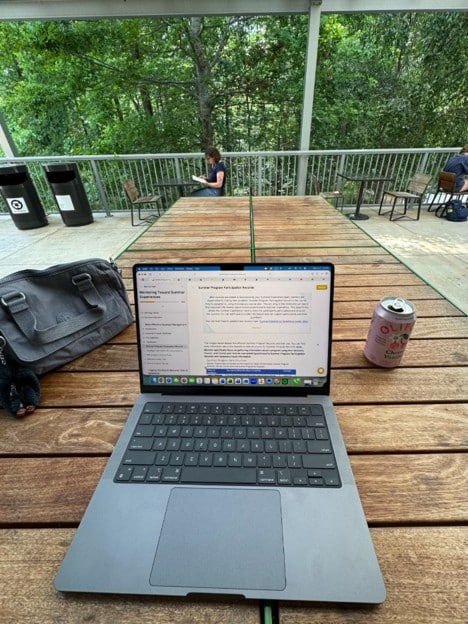

This post is written by current student Bam Purcell.
Bam Purcell is a current MPA student in the on-campus format. Originally from Clayton, North Carolina, Bam completed her undergraduate degree in Classical Studies from Wake Forest University. Before the MPA, Bam worked in affordable housing programs at the federal level. She is currently exploring her interests in the nonprofit sector and is completing her Professional Work Experience with Summer Search.
———————————————————————————————————
This summer, I’m excited to intern with Summer Search as part of my Professional Work Experience (PWE) in the UNC MPA program. It is a national youth development nonprofit that empowers high school students from under-resourced communities. It provides long-term, fully-funded mentoring, transformative summer trips, and post-high school career support.
I’m on the national program team supporting monitoring, evaluation, and data efforts across Summer Search’s five-region network: Bay Area, Boston, New York, Philadelphia, and Seattle. Each region has its own needs, challenges, and local ecosystem, but the organization is united by a shared goal of maintaining high standards of program delivery and equitably advancing its mission across every site.
That tension between local flexibility and national consistency is the kind of organizational complexity we often discuss in the MPA program, and it’s been rewarding to apply my learning and see this complexity in a real program context. I’ve found myself applying three concepts: creating a common line of sight so goals feel shared, communicating clearly to build trust and transparency, and empowering staff to shape a culture that’s both supportive and accountable.
One of my first deliverables has been writing a monthly newsletter for all staff. It celebrates wins and highlights hard work across the five regions, while also keeping program goals and metrics visible and showing staff where the organization stands. The newsletter is a direct application of clear, consistent communication that helps turn five regional teams into one aligned network.
As the summer continues, I can’t wait to keep learning what it takes to manage programs across sites with different needs and resources, and how a national team balances that local specificity with the drive to streamline for quality and equity. I’m thrilled to be putting MPA concepts to work in a real organization, and grateful to the Summer Search team for welcoming me in and trusting me with meaningful work from day one.
Although the internship is remote, it has been such a joy to have in-person meetings with my manager, Alex Bartz, Director of Program Implementation. Attached is a picture of us on my first day of the internship.
This post is written by current student Josh Davis.
Josh Davis is a current on-campus student in the UNC MPA program. From a military family, he lived mainly in Virginia before earning a bachelor’s degree in political science from Baylor University. Josh is currently completing his Professional Work Experience with the North Carolina Office of State Budget and Management, where he supports the State Budget System Replacement Project and budget development initiatives.
———————————————————————————————————
As I approach the halfway mark of my Professional Work Experience (PWE) with the North Carolina Office of State Budget and Management (OSBM), I have had the opportunity to contribute to meaningful work while learning more about the budgeting process and how government operates in practice.
One of the major initiatives currently underway at OSBM is the State Budget System Replacement Project. For more than a decade, state budget professionals have relied on the Integrated Budget Information System (IBIS) to help develop and manage North Carolina’s budget. OSBM is now replacing IBIS with a modern budgeting platform designed to streamline budget development, improve financial reporting, and help agencies and universities spend less time on administrative tasks and more on informed decision-making.
My role in this project has been to work closely with the Chief Information Officer and the IT team to develop and execute a strategic communication plan to prepare users for the new system. With more than 60 state agencies and universities involved, one of the biggest challenges is making sure everyone receives timely and consistent information. The goal is to help users understand what changes are coming, why they are being made, and what they need to do to prepare for a successful transition.
Throughout the summer, I have developed multiple communications that were distributed to more than 700 budget system users across state agencies and universities. One introduced the new budget system’s name and branding, while another highlighted how OSBM incorporated user feedback from IBIS when designing the new system’s features. Through this work, I have gained a clearer understanding of the role effective communication plays in helping organizations manage change.
In addition to my work on communications, I have also been learning more about the Agile software development process that guides much of the project’s work. I have participated in workshops, sprint planning sessions, and daily scrums, and have gotten to see how teams organize tasks, set priorities, and adjust to changing needs. This has helped me better understand how software projects move from idea to implementation and how structured teamwork keeps everything on track.
Before this summer, I had limited experience with IT and software systems. Working on the Budget System Replacement Project has taught me the importance of communicating in a way that everyone can understand, regardless of their technical experience. It also reinforced one of my main takeaways from the MPA program: successful implementation is just as important as policy creation and program design in government. Through this project, I have seen how communication helps build understanding, reduce uncertainty, and prepare people to adapt to new ways of working in the public sector.
I am grateful to the many staff members at OSBM who have welcomed me into their work this summer and generously shared their knowledge and expertise. Being able to contribute to a project that will improve how the state develops and manages its budget has been one of the highlights of my PWE.
This post is written by current student Megan Lanning.
Megan Lanning is a current student in the on-campus format and is also working towards a graduate certificate in Intellectual and Developmental Disabilities (I/DD) and Neurodivergent Studies from the School of Social Work. She is originally from Cary, North Carolina and completed her undergraduate degree in Child Development from Meredith College. She is interested in working in local government and nonprofits, focusing on work of creating more inclusive and accessible communities. She currently works for the Town of Cary and is doing her Professional Work Experience with ACCESS Cary.
———————————————————————————————————
One concept from the UNC MPA program that has directly influenced my Professional Work Experience (PWE) is the idea of “wicked problems.” In public administration, wicked problems are complex issues involving multiple stakeholders and lacking a single clear solution. Although this concept was initially introduced in the classroom, I quickly realized its relevance to my work with ACCESS Cary within the Town of Cary’s Parks, Recreation, and Cultural Resources Department.
My PWE centers on accessibility and inclusion initiatives throughout the department. This summer, I am completing the National Inclusion Project Inclusive Recreation Specialist Course and helping conduct research and collect data as the department explores accreditation through the National Inclusion Project. I am also working with the Town’s ADA Coordinator to conduct accessibility audits of more than 30 parks across Cary.
At first glance, accessibility may seem like a straightforward issue: identify barriers and remove them. However, my experience has shown that creating truly inclusive spaces is a wicked problem. In my work, accessibility is complex: every park is different, community members have diverse needs, budgets and staffing are limited, and decisions must balance accessibility with other operational priorities. There is rarely a solution that fully satisfies every stakeholder.
The framework of wicked problems helped me approach these projects with a broader perspective. Rather than looking for a single “right” answer, I learned to consider how different groups experience public spaces and how policies, physical infrastructure, programming, and organizational culture intersect. During park audits, for example, accessibility involves much more than checking compliance requirements; it requires considering how people with different disabilities navigate, participate in, and enjoy recreational opportunities.
What surprised me most was how closely theory is connected to practice. The classroom provided a lens for understanding complexity, while my work experience has shown me what that complexity looks like in action. Practice also revealed challenges that are harder to capture in class lectures, such as competing priorities, limited resources, and the need to build consensus among stakeholders.
This experience has reinforced that public administration is not about finding perfect solutions. Instead, it is about continuously improving systems, engaging stakeholders, and making informed decisions in complex environments. By applying the concept of wicked problems to accessibility and inclusion work, I have gained a deeper appreciation for both the challenges and opportunities involved in creating welcoming, accessible communities for all.
https://www.carync.gov/recreation-enjoyment/special-populations/specialized-recreation
This post is written by current student Callie Barnett.
Callie Barnett is a student in the online format and lives in her hometown of Franklin, NC. She completed her undergraduate degree in Political Science with a concentration in public management from Appalachian State University. Originally interning with the Macon County Government as an undergraduate student in the fall of 2024, she is now completing her professional work experience with the Macon County Solid Waste Department.
———————————————————————————————————-
This summer, I am serving as a special projects intern within the Macon County Solid Waste Department as part of my Professional Work Experience (PWE) in the UNC MPA program. Coming into this role, I had little to no experience with solid waste, but over the past month have learned a lot about how and where different waste streams come from. Trash is important for the Solid Waste Department as it is a money maker; however, too much trash overwhelms the landfill’s service capabilities.
One of Macon County’s largest quantifiable and traceable waste streams comes from the public school system. My first assigned project in this role was to bridge the gap between the solid waste department and the school system and to reinstate a school system-wide recycling program. Thanks to some of my connections within Macon Middle School, where I have worked as a long-term substitute teacher, I was able to learn that the STEM program had received a grant to restart the school’s recycling program. Upon learning this, I immediately set up a meeting and began collaborating with the STEM teacher.
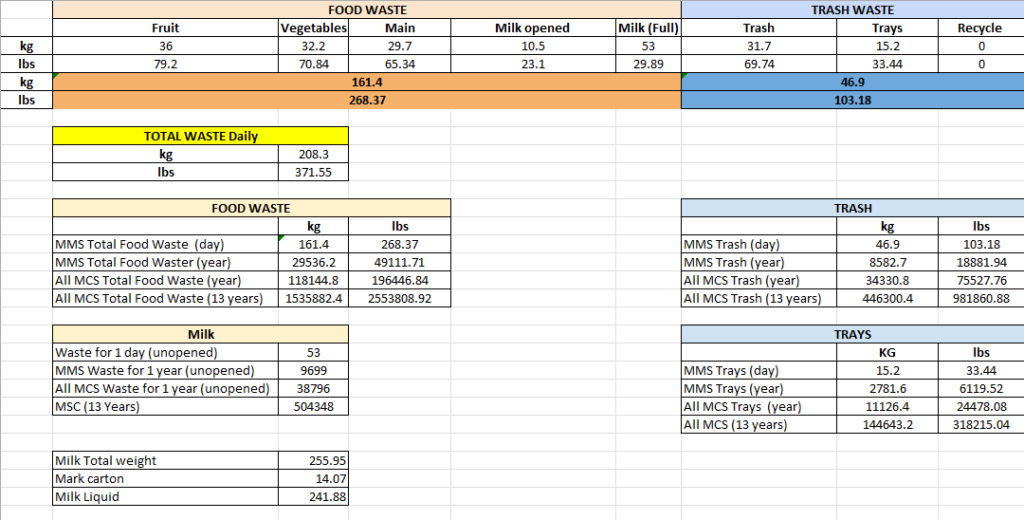
Meeting with the STEM teacher provided a lot of insight into what had already been done regarding waste monitoring and measurement, as his class had already completed a waste audit that provided crucial insight into what exactly was being discarded and ending up in our landfill. I am extremely thankful that I was able to learn about the prework that had already occurred and the existing data that can be used to support any next-step initiatives for the program. The data was also able to help move the project along, since it gave the Solid Waste Department insight into what could be done to divert specific streams, such as compostable food waste and cardboard.
Collaborating with someone already inside the school system also allowed me to understand how internal processes work. As someone from an outside organization who wanted to come in and change something about a separate entity, it is important for me to acknowledge why some processes are the way that they are. Specifically, I questioned why the school continued using styrofoam trays instead of using the reusable trays that they had used before the pandemic. I found that the single-use trays were easier as they did not have to be washed, meaning that the kitchen could have more man-power in other areas. Examples like these show how important communications between collaborating organizations are to fill in knowledge and information gaps.
One of the biggest struggles with this program is the time period in which we are working, as well as how many different stakeholders are involved. Since this is a summer internship, I am developing a program that cannot launch until fall, as students are home for the year. The weight of the project and program implementation lies within the individual schools and has to be a grassroots movement. Students, teachers, and administrators have to be as invested as the Solid Waste Department in order to reduce waste in the long run. Therefore, collaboration and mutual understanding is key.
This post is written by current student Desiree DeDolce.
Desiree DeDolce is from Winston-Salem, NC. She earned her undergraduate degree in Sociology from UNC Greensboro and has a passion for housing justice, with a particular interest in resident-centered, community-based housing models for low-income families. This summer, she is completing her Professional Work Experience with the Town of Chapel Hill Manager’s Office.
———————————————————————————————————-
This summer, I am completing my Professional Work Experience in the Town of Chapel Hill’s Manager’s Office. Because the office works across departments and helps coordinate organization-wide priorities, the internship has given me a broad view of how local government works and how ideas and values are operationalized in day-to-day practice.
One area of MPA coursework that has shown up clearly in my internship is public engagement. In class, we have talked about engagement as more than simply holding a public meeting or asking residents for feedback. We have discussed the importance of timing, trust, accessibility, facilitation, and being honest about what parts of a decision are open for input. My internship has not necessarily changed how I think about those ideas, but it has helped me understand what they look like in practice.
One observation I have made is that meaningful engagement requires significant work before the public process even begins. Staff must understand the legal, financial, technical, and operational constraints surrounding a project or initiative before they can design the engagement process. This kind of preparation helps make engagement more transparent. Residents are better able to participate when they understand what decisions are still being made, what limits already exist, and how their feedback will be used.
Public engagement is often framed as a value, and I do believe it is one. But in practice, engagement is also a design challenge. When thinking about how to frame this engagement, the Chapel Hill communications team uses the IAP2 Spectrum of Public Participation. The spectrum helps clarify the public’s role in decision-making and the level of influence residents can reasonably have, ranging from providing information to delegating decision-making authority. That framework matters because not every project calls for the same level of public involvement. Sometimes the goal is to inform or consult residents; other times, there may be more room for residents to help shape options directly. Staff have to decide where a project falls on that spectrum, when to engage, who needs to be included, what information people need to participate meaningfully, and how feedback will be carried forward. If the process is too broad, it can create expectations that the organization cannot meet. If it is too narrow, residents may feel like they are being asked to respond to a decision that has already been made.
Watching Town staff apply this framework in actual project conversations shows the connection between theory and implementation. The theory gives a set of principles: engagement should be meaningful, accessible, timely, and connected to decision-making. Practice shows how much care it takes to apply those principles when staff are also working within budgets, timelines, state law, Council direction, staff capacity, and previous decisions.
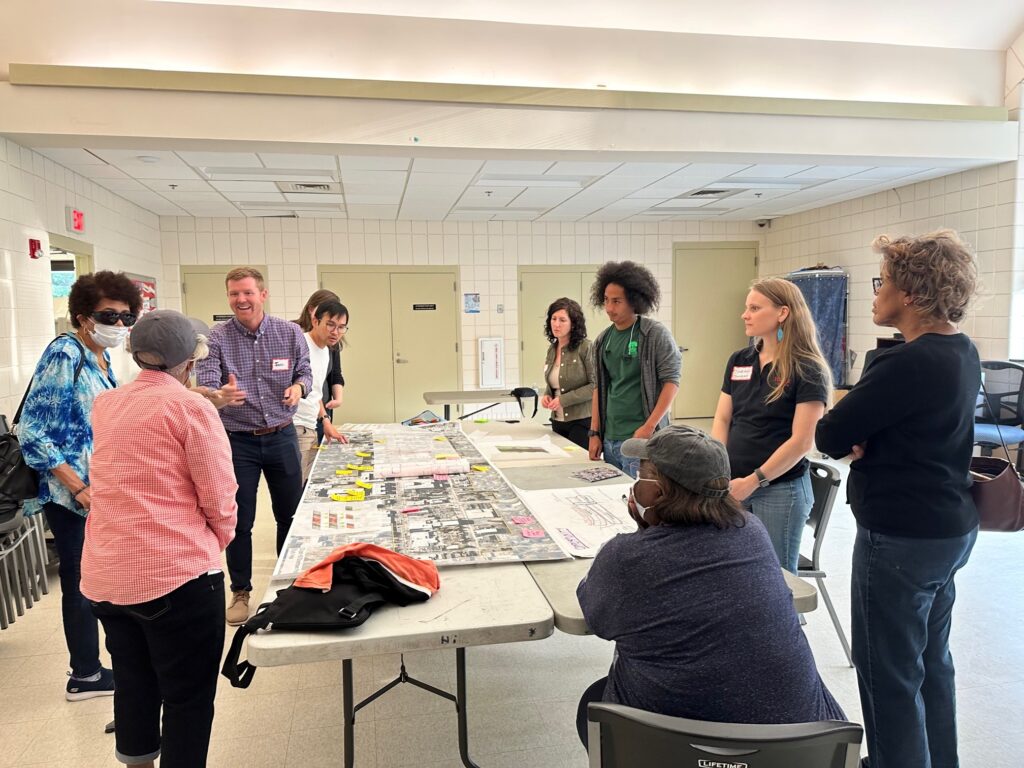
What I found most useful was observing how staff communicate those boundaries. Rather than presenting engagement as an open-ended conversation about every aspect of a project, they work to explain what is still being decided and where public input could have the greatest impact. Transparency is not just about sharing information, but about helping residents understand how their participation connects to the decision-making process.
It is clear that public engagement is not a single step in policy design and implementation, but an ongoing administrative practice. It requires planning, communication, facilitation, and follow-through. My internship has shown me what this can look like in the day-to-day work of local government and helped me appreciate the care that goes into designing engagement that is both honest and useful.
By Hattie Lecka
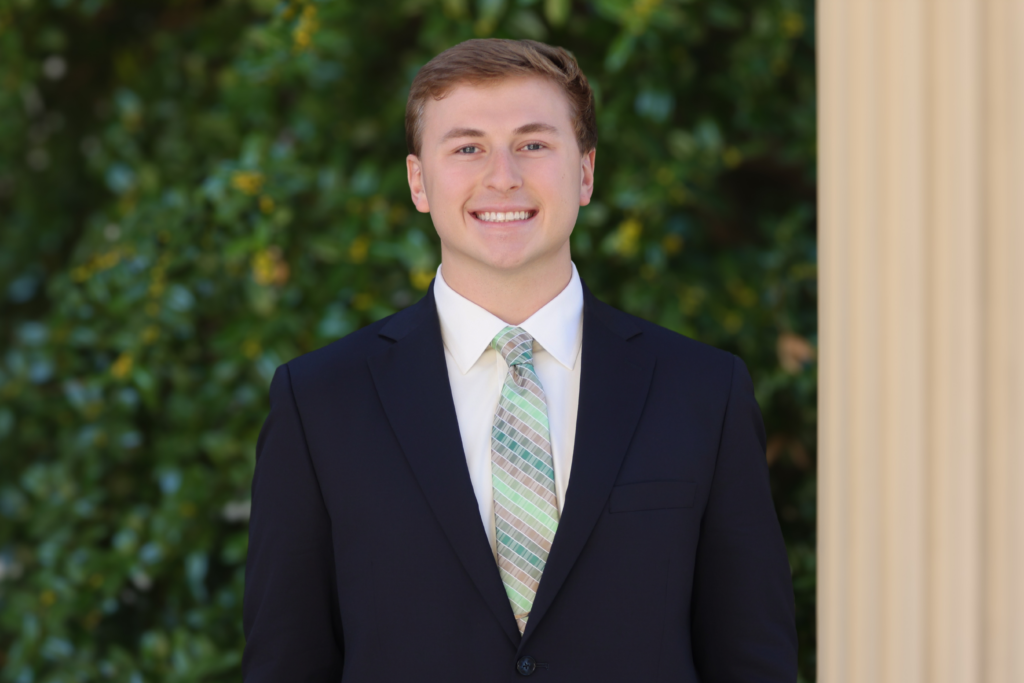
When MPA student Noah Ellington attended an alumni event in January, he did not expect a casual conversation could lead to a remarkable professional opportunity. Ellington, a graduate researcher for the North Carolina Benchmarking project, has been seizing every opportunity to network as he prepares for graduation. On that day in January, a chance encounter led him to collaborate closely with congressional staff and gain firsthand experience in public service at the national level. What began as a simple discussion quickly evolved into a behind-the-scenes role in planning a high-profile retreat for congressional chiefs of staff, giving Ellington a unique perspective on the inner workings of national government.
On March 13, the School of Government welcomed a group of congressional chiefs of staff to UNC for a three-day retreat. While the School of Government is widely recognized for its work with local and state officials, engagement at the federal level is less common. Last year, the Chancellor asked the dean if the School could host a retreat for congressional chiefs of staff, collaborating closely with the Congressional Management Foundation (CMF), a nonprofit organization that works to improve communication and management within congressional offices.
Ellington, who had no prior plans to be involved, found himself coordinating and attending the retreat, which was an unexpected opportunity that allowed him to step into a new realm of public service work.
My involvement began with a conversation at the MPA Happy Hour following the North Carolina City/County Management Conference in January. I had the opportunity to speak more in depth with Dean Wall, whom I had seen around the School and briefly interacted with before, but hadn’t yet connected with one-on-one.
During our conversation, she mentioned the upcoming Chiefs of Staff retreat and noted that, as a new program, there were still several logistical pieces to work through. I offered to help, and she encouraged me to follow up.
I was glad to do so, and from there I began attending planning meetings and supporting the team. Before long, I was helping to develop the agenda, coordinate the campus tour, and assist with other logistical details for the retreat.
I’ve taken classes with many of the faculty who led sessions, including Dr. Jacobson, Dr. Pasha, and Dr. Morse, so it was especially interesting to see those ideas applied in a different, practitioner-focused context.
I was particularly struck by how the chiefs engaged with the material in ways that mirrored discussions I’ve seen among my classmates. The faculty were also very intentional in how they facilitated each session, adapting to the energy in the room and creating space for honest and sometimes vulnerable conversations.
I also noticed how thoughtfully the retreat was structured. Each session built on the previous one, allowing participants to carry ideas forward rather than treating each topic in isolation.
I think a big takeaway is to be open to opportunities, even when they feel small or uncertain at the time. This experience came from a single conversation that I almost didn’t stay for. Even though I was exhausted from spending the day at the conference, I decided to stay a little longer and attend the happy hour, which ended up making all the difference.
Saying yes does not mean overcommitting, but it does mean being willing to show up, follow up, and express interest. You never know which conversation might lead to something meaningful.
This experience reinforced how important it is to be flexible and aware of your surroundings. Plans change quickly, and being able to adapt without losing focus is critical.
I also learned the importance of taking ownership of mistakes, no matter how small. Everyone makes them, but how you respond matters. Acknowledging them and moving forward builds trust, while avoiding them can have the opposite effect.
Finally, I saw how important it is to read the room and understand where you can be most helpful. That awareness allows you to contribute effectively without overstepping.
One of the most rewarding parts of this experience was building relationships with School of Government faculty and staff, whose work I deeply respect. It was also valuable to interact with such an influential group of public service leaders.
I also found the experience eye-opening in terms of how Congress operates. Public perception often focuses on dysfunction, but this retreat highlighted the amount of relationship-building and intentional management that happens behind the scenes. It made the work feel more human and more relatable.
This experience showed me that strong management and leadership skills are needed across all levels of government. Because of that, I can now see myself working at the federal level, whereas before I was primarily focused on local government.
It also helped me see that, despite how intimidating federal institutions can seem, the people working within them are approachable and willing to share their experiences. That made the path feel more accessible and confirmed my interest in continuing to explore opportunities in that space.
My biggest piece of advice is to take advantage of opportunities to connect, even when it feels inconvenient or outside your comfort zone. Stepping outside your comfort zone is a skill that improves with practice. The more you do it, the easier it becomes.
It is also important to approach conversations with curiosity. Focus on understanding the other person’s perspective and experiences. That not only makes the interaction more meaningful, but also helps you build relationships that last beyond a single conversation.
Joseph Giles is a first year UNC MPA student from Rutherford County in Western North Carolina. He earned a Bachelor of Arts in Political Science from North Carolina State University.
Q1: Why are you pursuing a MPA degree?
I graduated in May 2025 and chose to pursue my Master of Public Administration at UNC–Chapel Hill to build on my passion for public service. That interest began in high school when I volunteered with my county’s COVID-19 response efforts and saw firsthand how effective local government can make a real difference in people’s lives.
Q2: Tell us a little about the ICMA conference. Is it what you expected? What did you get out of it?
The ICMA conference completely exceeded my expectations. The sessions covered everything from intergovernmental cooperation to public service ethics, and it was great to meet managers from across North Carolina and beyond. I also loved getting to connect with classmates outside the classroom and see how what we’re learning applies in the real world.
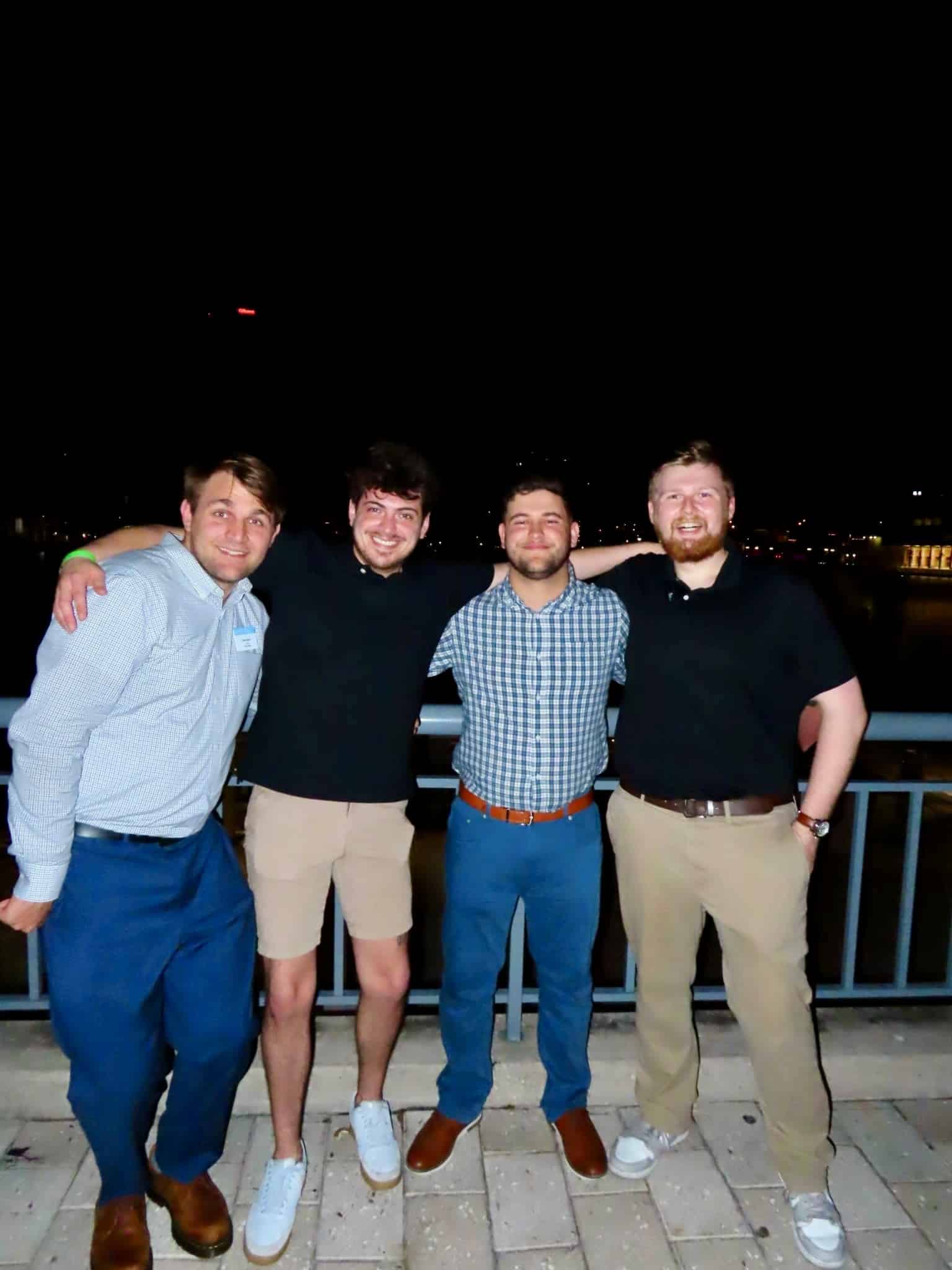
Q3: People always talk about the benefit of networking and talking to people, and we know these conferences give you an opportunity to do so, but it doesn’t always come easy. Did you find yourself naturally falling into helpful conversations, or did you make it a point to put yourself out there and start up some conversations?
It was a little of both! At first, it felt awkward to approach people, but most managers were so friendly and eager to talk with students. As the week went on, I got more comfortable striking up conversations—and the social events really helped those connections happen naturally.
Q4: What is one topic or seminar or discussion from the conference that you especially enjoyed or had a ‘takeaway’ from?
I really enjoyed the student-focused ethics session. It went beyond theory and dove into the real-world ethical challenges public servants face. It reminded me that ethics in government isn’t always black and white and that leadership means constantly reflecting on your values.
Q5: How do you feel about your career path following the conference – are you (still) interested in local government as a career path or did it change your mind at all about what your plans might be following graduation?
I came into the MPA program already interested in a career in local government, and the ICMA conference only reinforced that decision. Hearing directly from managers about their work, challenges, and impact made the field feel even more meaningful and rewarding. Between what I’ve learned in the program and what I experienced at the conference, I’m more confident than ever that local government is where I want to build my career.
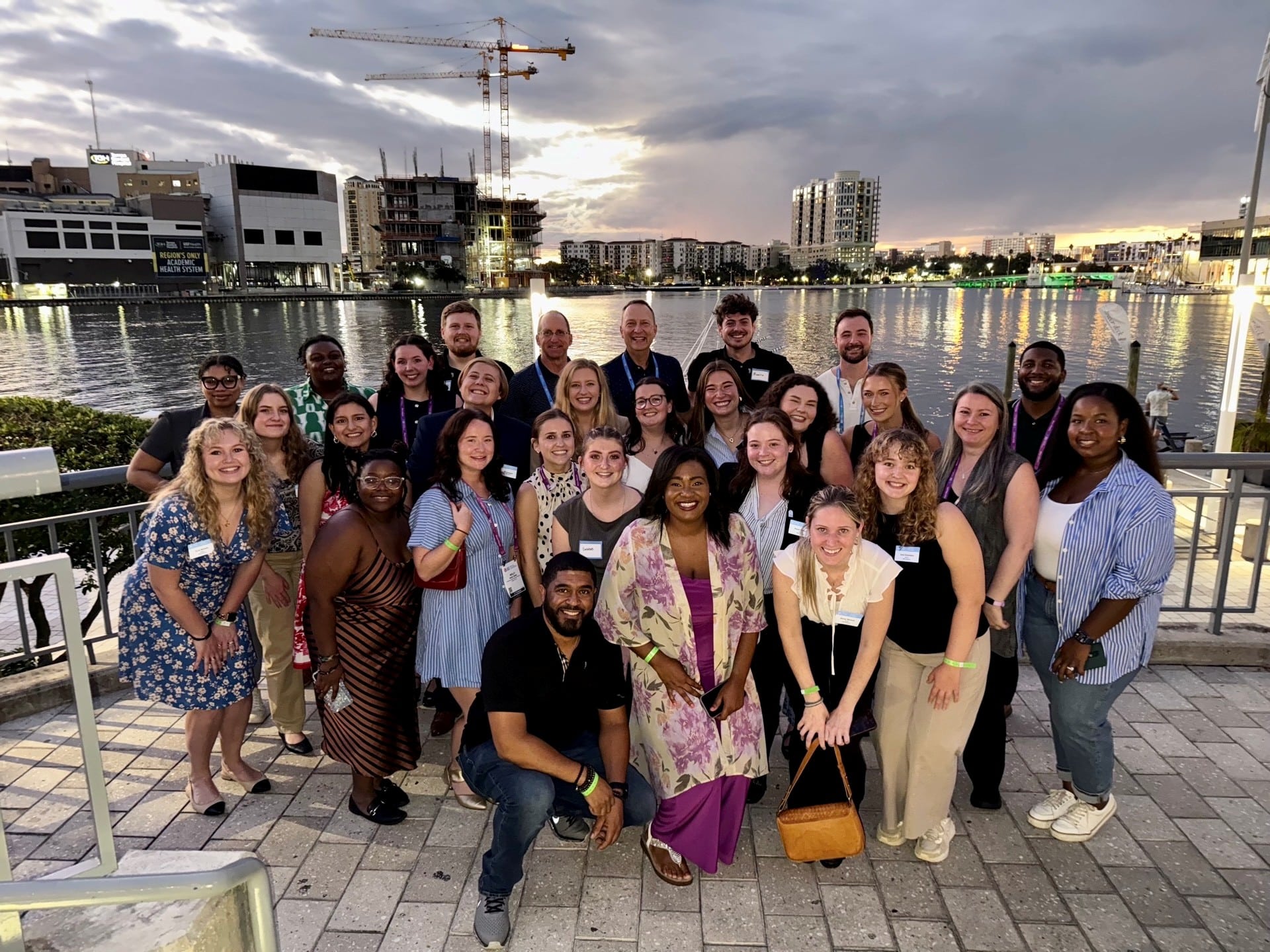
Q6: What do you want people interested in public administration to know about our program?
I came into the UNC MPA program with high expectations—both for the academics and for the sense of community and professional network—and every one of them has been exceeded. The coursework is rigorous and deeply relevant, the professors are genuinely invested in our success, and the classmates and alumni create a supportive network unlike anything I’ve experienced before. It’s a program that not only prepares you to serve but inspires you to lead with purpose.
This post was written by current student Emmett Lille, a first year student in the online format. North Carolina Emergency Management, as the Critical Infrastructure Branch Manager – Homeland Security Section.
——————————————————————————————————-
Attending the Emergency Management Immersion for UNC-Chapel Hill’s MPA program was an energizing and gratifying experience. With a background in state-level emergency management, I appreciated how Professor Cuccaro structured the weekend around real-world challenges, emphasizing collaboration, leadership, and policy understanding. One of the most engaging parts of the experience was the Job Candidate Exercise, where we role-played as department heads evaluating candidates for an Emergency Management Coordinator position. The negotiation with classmates over the “best fit” showcased not only how complex hiring decisions can be in public service but also how productive and fun peer collaboration can be when everyone brings thoughtful, diverse perspectives to the table.
It was also meaningful to connect with classmates who were curious about careers in emergency management. Several students approached me to ask about my role at the state level, the types of challenges we face at NCEM, and how they might break into the field. I was glad to share insights on various paths into EM, the range of roles available, and the importance of building strong networks early on. These conversations underscored the growing interest in EM among future public administrators. They reminded me of the importance of mentorship and shared experience in shaping the next generation of leaders.
Another highlight was the Deil S. Wright Public Service Forum, featuring a powerhouse panel of emergency management leaders from the federal, state, and local levels. The discussion centered on the critical need for intergovernmental coordination and clear communication during crises. A particularly moving moment came when NC Emergency Management Director Will Ray received a standing ovation after presenting New York City’s First Deputy Commissioner, Christina Farrell, with a North Carolina flag in gratitude for New York’s support during Hurricane Helene. The insights shared were directly applicable to those of us leading, or preparing to lead, in emergency response.
From the lectures to the simulations, this immersion was more than just a learning experience; it was an opportunity to build community and reconnect with the purpose that drew us to public service in the first place.
By Dr. Obed Pasha
PUBA 709 is often one of the first courses students take when they join the MPA program at UNC. Dr. Pasha decided to take us on a tour of 709 – a deep dive into how UNC MPA faculty members develop and teach the course and it’s importance in preparing public service leaders.
Theory Primer Approach to Teach Foundations of Public Administration
Defining the “foundations” of Public Administration (PA) is challenging due to the varying interpretations among PA scholars of what that concept means. In this blog, we outline the different approaches and why a ‘primer’ approach has the greatest appeal for the UNC SOG (School of Government) MPA (Master of Public Administration) program.
The Traditional Approach
Some MPA programs take a classical approach and teach Foundations of PA around historical figures like President Woodrow Wilson and political economist Max Weber, who both wrote about the public sector having a distinct approach to management, administration, and bureaucracy. The benefit of this approach is the same as you would find with many things that are ‘traditional’ – it is well known, accepted by a long string of academics, based on thoughts going way back (Weber became a professor in 1896). The downside is that the reality of modern public management is much less ‘bureaucratic’ and hierarchical than it was during the times these theories and concepts were put forward.
The Topic Area Approach
Another approach to teaching this course is to an eclectic mix of topics such as leadership, human resources, and budgeting – subject areas that students will encounter in required courses during their MPA studies. This approach prepares students at the beginning of their studies for the more in-depth topic area-specific courses they will encounter in more advanced classes. On the flip-side, however, while there is merit in teaching the foundations course this way, it may also be a missed opportunity to engage students more deeply in conversations about the validity and reliability of the public administration theory literature. There is only so much class time, and can we introduce topic areas sufficiently to make this a worthwhile exercise?
The Theory Primer Approach
The School of Government built Foundations of Public Administration course based on a third approach – a Theory Primer. This approach introduces students to a host of essential public administration theories needed for a deep understanding of public administration. There are several benefits of this approach:
The Challenge
The main challenge with the theory primer approach to teaching Foundations of PA is to integrate theory into a practice-based program. The MPA degree is designed to prepare public service practitioners who apply their knowledge and skills to enhance governance (as stated in our Mission Statement). Consequently, convincing students to commence their MPA journey by learning about public service theories and ideas, rather than acquiring applied practical skills, can be challenging. For example, discussions around public service ethics may appear overly broad and philosophical, while those on Incrementalism and the Garbage Can model may seem irrelevant and unnecessary
The Solution
To bridge the theory-practice gap and underscore the importance of theory in becoming a more effective practitioner, we employed the following four strategies:
In discussing theories, students learn that individual theoretical models are often insufficient to fully understand complex practical phenomena. Once applied in practice, the models work together or in some places in opposition to each other. Nevertheless, they provide invaluable insights to astute practitioners in better understanding these phenomena and searching for their solutions, and cross-cutting theoretical models.
As my summer Professional Work Experience (PWE) with the North Carolina Community Colleges Foundation (NCCCF) comes to a close, I’ve had the chance to reflect on just how transformative this experience has been. What started as a research project has grown into something much larger, and even more rewarding, than I anticipated. In my final weeks, I had the opportunity to present my earned income research and recommendations to the Foundation’s Board of Directors. The presentation went incredibly well, and I’m proud to share that the Board decided to move forward with my top recommendation: establishing an earned income committee. They’re now actively exploring several of the strategies I proposed, including launching an e-procurement site, developing an employer-of-record service, and leasing donated property. Knowing that my work will help shape the Foundation’s strategic direction is one of the most meaningful outcomes of my MPA journey so far.

In addition to the earned income project, I had the chance to support the Foundation on several other key initiatives. I drafted a planned giving strategy document to help NCCCF begin offering planned giving opportunities to donors, laying the groundwork for increased donor engagement and long-term sustainability. I also completed Bloomerang Customer Relationship Management (CRM) training and developed a step-by-step implementation plan to guide the Foundation’s use of this tool in tracking donors, donations, and stewardship efforts. These experiences sharpened both my technical skills and my understanding of how back-end infrastructure supports a strong advancement program.

Beyond strategy and systems, I supported several administrative and operational tasks—from collecting board member signatures for the annual Conflict of Interest disclosure to helping update the website, planning for the Foundation’s annual board retreat, and organizing sponsorship materials for an upcoming conference. Each project helped me see a different piece of what it takes to run an effective, mission-driven organization.
One of the best parts? I’m not saying goodbye just yet! I’ll be staying on with NCCCF in the coming months to continue managing their solicitation licenses across all 50 states and serve as an advisor to the new earned income committee. This continuation feels like the perfect bridge between my summer experience and what’s next—both academically and professionally. I’m returning to UNC this fall with a deeper understanding of nonprofit advancement, a stronger set of technical and strategic skills, and a clearer vision for what a future in nonprofit leadership might look like. I’m especially excited to take what I’ve learned into the classroom, connect it with theory, and continue building a career rooted in mission, strategy, and impact.